 11
11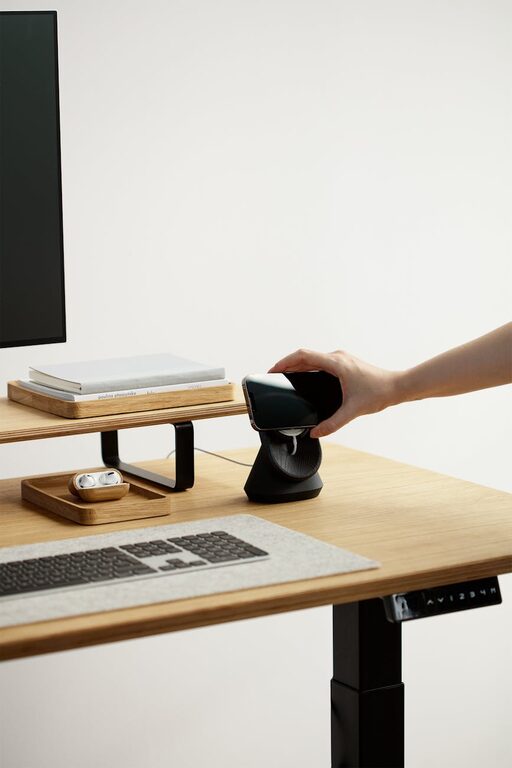
Creating a cozy and functional home office space is essential for anyone working or studying from home. A well-designed workspace boosts productivity, reduces stress, and makes workdays more enjoyable. Whether you have a dedicated room or just a small corner, with some thoughtful planning, you can transform it into an inviting and efficient area.
Your home office is more than just a place to work—it’s where creativity happens, deadlines are met, and new ideas come to life. When the space is comfortable and organized, your mind can focus better, leading to improved concentration and overall well-being.
– Increased productivity and motivation
– Reduced distractions and clutter
– Enhanced comfort and reduced physical strain
– Better work-life balance with distinct workspace boundaries
Selecting the perfect spot is the foundation of any home office design.
Natural light helps reduce eye strain and elevates mood. Try to position your desk near a window, but avoid glare by using blinds or curtains if needed.
If possible, choose a quiet corner away from busy household areas to help maintain focus. Noise-cancelling headphones can be a great addition if isolation is difficult.
Even small spaces can work! If you don’t have a dedicated room, consider utilizing a corner in your living room, bedroom, or even a closet with some creativity.
Comfort plays a huge role in productivity. Choosing ergonomic furniture supports your posture and prevents discomfort.
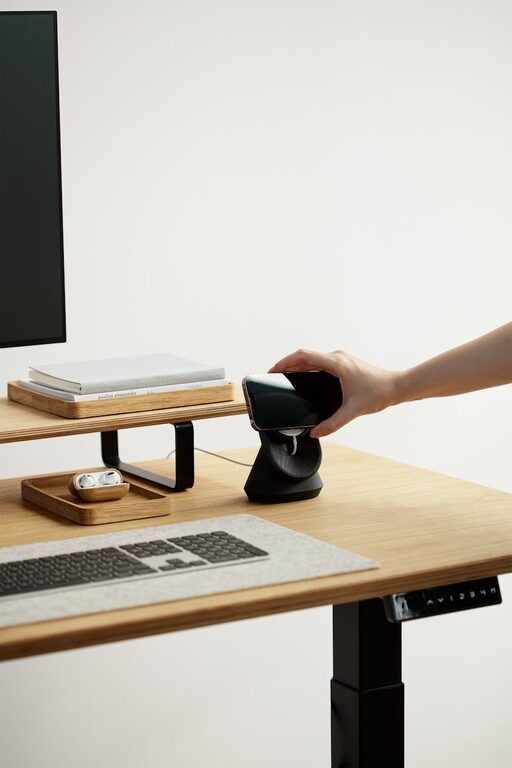
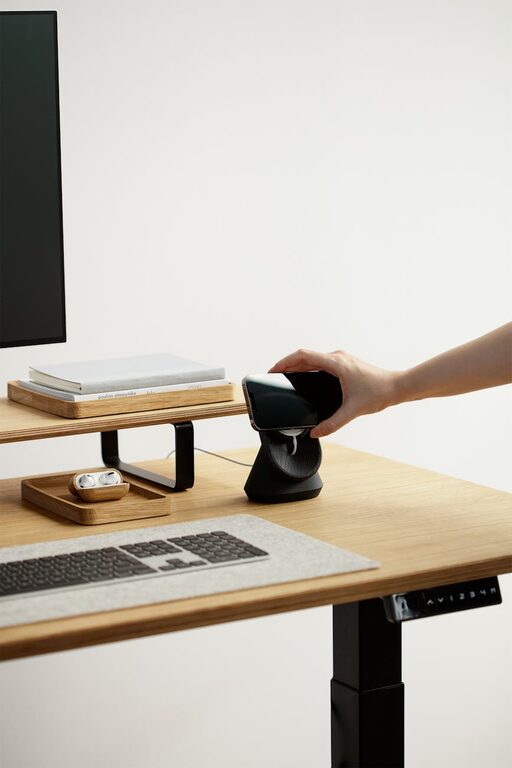
Select a desk that fits your space and provides enough surface area for your computer, notebook, and other essentials. Adjustable desks that allow for sitting and standing options are a bonus.
A supportive office chair with adjustable height and lumbar support helps maintain proper posture during long hours of work.
Consider footrests, monitor stands, and keyboard trays to customize your setup for maximum comfort.
Clutter can be distracting, so organization is key for a functional space.
Use shelves, filing cabinets, or storage bins to keep paperwork and office supplies neatly tucked away.
Keep your desk tidy with trays, pen holders, and cable organizers. Only keep items you use regularly within arm’s reach.
Organize your computer files and emails regularly to avoid digital overload.
A cozy office should reflect your personality and make you feel at ease.
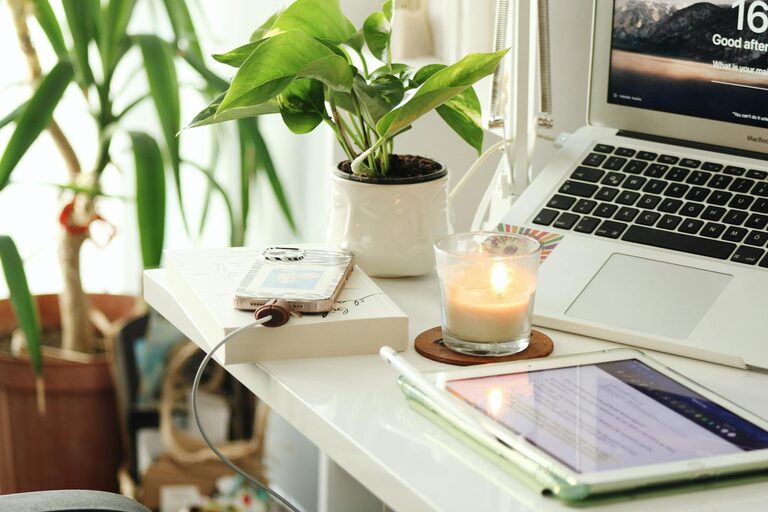
Choose colors that inspire calm and focus—soft blues, greens, or neutrals work well. Add artwork, plants, or photographs for a personal touch.
In addition to natural light, use layered lighting such as desk lamps and overhead lights with adjustable brightness to create a warm atmosphere.
Keep cozy blankets, cushions, or even a small rug nearby to make the space inviting.
Ensure your technology setup supports your workflow without frustration.
A strong internet connection is crucial, so position your router nearby or use network extenders if necessary.
Invest in quality headphones, webcam, printer, and other devices that suit your work needs.
Use clips or sleeves to keep cords organized and prevent tangling.
Maintaining a balance between work and personal life is important when working from home.
Define specific times to start and end your workday to avoid burnout.
Make sure others know when you’re working to minimize interruptions.
Incorporate short breaks, stretch exercises, and regular hydration to stay energized.
Designing a cozy and functional home office is a worthwhile investment in your productivity and well-being. By carefully choosing your location, furniture, and organization methods—and adding personal touches—you can create a space that makes working from home more comfortable and enjoyable.
Remember, your home office should evolve with your needs, so don’t hesitate to tweak and improve your setup over time. Happy decorating!